The Overwatch 2 Cancellation Conundrum: A Deep Dive
Fast answer first. Then use the tabs or video for more detail.
- Watch the video explanation below for a faster overview.
- Game mechanics may change with updates or patches.
- Use this block to get the short answer without scrolling the whole page.
- Read the FAQ section if the article has one.
- Use the table of contents to jump straight to the detailed section you need.
- Watch the video first, then skim the article for specifics.
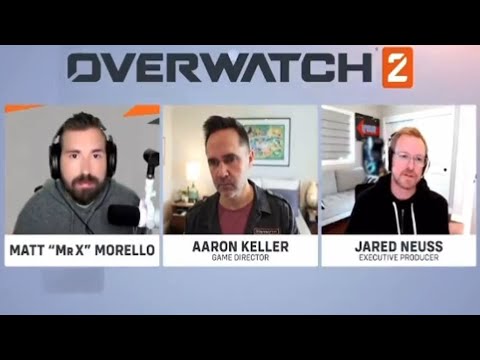
Overwatch 2 wasn’t entirely cancelled, but the highly anticipated Player vs. Environment (PvE) Hero Mode, a core pillar of its initial vision, was scrapped. The primary reason was that the scope of the project had ballooned out of control, consuming excessive resources and diverting focus from the live game. Blizzard essentially bit off more than it could chew, leading to a strategic pivot.
The Ambitions That Sank the Ship
The initial promise of Overwatch 2 was revolutionary. It wasn’t just a graphical upgrade or a simple sequel. Blizzard envisioned a game that blended the competitive thrill of the original with a robust PvE campaign, complete with hero progression systems, talent trees, and replayable missions. This vision, dubbed “Hero Mode,” aimed to provide a long-term engagement loop beyond the traditional PvP matches.
However, this ambition proved to be a double-edged sword. As development progressed, the team found themselves struggling to realize the vision in a way that met Blizzard’s quality standards and within a reasonable timeframe. The technical challenges mounted, and the scope of the project kept expanding, pulling resources away from the vital task of supporting and evolving the live, PvP component of Overwatch 2. This created a significant dilemma: maintain the core game’s health or gamble on a potentially years-away PvE mode.
The Keller Revelation
In a candid statement, Jeff Kaplan’s successor, Aaron Keller, shed light on the decision-making process. He explained that the development of Hero Mode had become overwhelmingly complex. “We were trying to do too many things at once and we lost focus,” he confessed. “We had an exciting but gargantuan vision and we were continuously pulling resources away from the live game in an attempt to realize it.”
This quote encapsulates the core issue: overambition. The desire to deliver a truly groundbreaking PvE experience led to a project that was simply unsustainable. The constant resource drain hampered the development of new maps, heroes, and features for the PvP side, impacting player satisfaction and ultimately jeopardizing the game’s long-term viability.
A Pivot, Not a Complete Cancellation
It’s crucial to understand that not everything PvE related was scrapped. Blizzard pivoted to a smaller-scale, more manageable approach. Instead of a sprawling, interconnected Hero Mode with extensive progression systems, they opted for story missions released in episodic content updates. These missions offer a narrative experience with set heroes and pre-determined gameplay scenarios, but lack the depth and replayability initially promised.
While the story missions haven’t entirely filled the void left by the cancelled Hero Mode, Blizzard hopes to expand on the storyline. Blizzard also hopes to use this to grow the Overwatch universe.
The Backlash and its Impact
The cancellation of Hero Mode triggered a significant backlash from the Overwatch community. Players felt betrayed by Blizzard’s broken promises. The fact that Overwatch 2 was initially marketed as a replacement for Overwatch 1, with the PvE experience being a major selling point, only amplified the disappointment.
The negative reaction impacted Blizzard’s reputation and further fueled the ongoing criticism surrounding Overwatch 2’s launch. The game faced accusations of being a glorified patch, lacking substantial new content, and prioritizing monetization over player experience. The entire ordeal served as a harsh lesson in the importance of managing expectations and delivering on promises.
Learning from the Overwatch 2 Saga
The Overwatch 2 PvE cancellation offers valuable lessons for game developers:
- Scope Management is Crucial: Avoid overambition and focus on delivering a polished, manageable experience.
- Resource Allocation is Key: Prioritize the core game and ensure its health before pursuing ambitious side projects.
- Transparency is Essential: Communicate openly with the community about development challenges and potential changes in direction.
- Under-promise and Over-deliver: It’s always better to exceed expectations than to fall short of them.
- Do not delete the previous game. Deleting Overwatch 1 created anger in the community.
The Games Learning Society offers valuable resources and insights into game design, development, and the complexities of the gaming industry. Visit GamesLearningSociety.org for more information.
Frequently Asked Questions (FAQs)
1. What exactly was “Hero Mode” in Overwatch 2?
Hero Mode was the planned PvE component of Overwatch 2, envisioned as a story-driven campaign with hero progression, talent trees, and replayable missions. Players would level up their favorite heroes, unlock new abilities, and tackle challenging missions against AI opponents.
2. Why did Blizzard cancel the PvE Hero Mode?
The primary reason was scope creep. The project became too ambitious, consuming excessive resources and diverting focus from the live game.
3. Is all PvE content in Overwatch 2 cancelled?
No, Blizzard pivoted to a smaller-scale approach, releasing story missions as episodic content updates.
4. What are the Overwatch 2 story missions like?
The story missions are narrative-driven experiences with set heroes and pre-determined gameplay scenarios. They lack the depth and replayability initially promised with Hero Mode.
5. Will there be more PvE content in Overwatch 2 in the future?
Blizzard intends to continue developing and releasing new story missions.
6. Did the cancellation of PvE affect Overwatch 2’s launch?
Yes, the cancellation triggered a significant backlash from the community, contributing to negative reviews and criticisms of the game’s launch.
7. What are some of the criticisms of Overwatch 2?
Criticisms include a lack of substantial new content, prioritizing monetization over player experience, and the disappointment of the cancelled PvE mode.
8. Is Overwatch 1 completely gone?
Yes, Overwatch 1’s servers were shut down permanently to make way for Overwatch 2.
9. Why did Blizzard shut down Overwatch 1?
Blizzard wanted to focus all resources on Overwatch 2, and they believed having two separate games would divide the player base.
10. Is Overwatch 2 free-to-play?
Yes, Overwatch 2 is a free-to-play game, supported by in-game purchases and a battle pass system.
11. What does PvE and PvP mean?
- PvE stands for Player vs. Environment, where players battle AI opponents.
- PvP stands for Player vs. Player, where players compete against each other.
12. Is Overwatch 2 better than Overwatch 1?
That’s subjective. Overwatch 2 offers some improvements, but the cancellation of PvE and changes to the monetization model have been controversial.
13. Is Overwatch 2 plagued by cheating?
Yes, Blizzard has banned hundreds of thousands of cheaters since the game’s launch and continues to work on improving anti-cheat measures.
14. Why did Blizzard remove player levels in Overwatch 2?
The removal of player levels is related to the shift to a free-to-play model and the implementation of a battle pass system.
15. What is the difference between a MMO and other game types?
The main difference is that a massively multiplayer online game (MMOG or more commonly MMO) is an online video game with a large number of players on the same server.