The Chomp Heard ‘Round the World: Why Puck-Man Became Pac-Man
Fast answer first. Then use the tabs or video for more detail.
- Watch the video explanation below for a faster overview.
- Game mechanics may change with updates or patches.
- Use this block to get the short answer without scrolling the whole page.
- Read the FAQ section if the article has one.
- Use the table of contents to jump straight to the detailed section you need.
- Watch the video first, then skim the article for specifics.
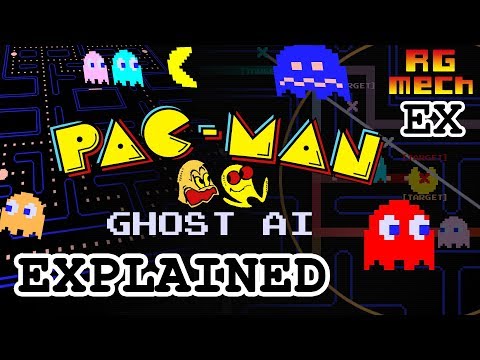
The simple answer is this: Puck-Man was changed to Pac-Man due to concerns over potential vandalism. Namco’s American distributors feared that arcade patrons, with mischief in their hearts, would easily alter the “P” in Puck-Man to an “F”, creating an obscenity. To avoid this potential embarrassment and protect the game’s image, the name was changed to Pac-Man before its release in North America. This simple alteration allowed the game to reach a wider audience without any negative connotations.
The Evolution of a Gaming Icon: From Paku Paku to Global Phenomenon
The story behind Pac-Man’s name is far more interesting than a simple act of censorship. It begins with the game’s Japanese origins and a delightful bit of onomatopoeia. Designer Toru Iwatani drew inspiration from the Japanese phrase “paku paku taberu,” which describes the sound and action of gobbling something up. The phrase “paku paku” mimics the sound a mouth makes when eating, and “taberu” means “to eat.”
This led to the initial name, Puck-Man, a romanization of “Pakkuman.” This was all well and good in Japan, but the cultural nuances and potential for mischief didn’t translate across the Pacific. The potential for vandalism was deemed too great a risk.
Masaya Nakamura, then president of Namco, made the crucial decision to rename the game Pac-Man, a move he felt was close enough to the original Japanese title while sidestepping the potential for vandalism. It proved to be a stroke of genius.
The Impact of a Name Change: More Than Just Letters
The name change, seemingly insignificant, played a crucial role in Pac-Man’s immense success. It ensured the game’s accessibility to a broader audience, free from the stigma of a potentially vulgar name. This allowed Pac-Man to become a global phenomenon, transcending cultural barriers and captivating players of all ages and backgrounds. The game was not only fun and addictive, it was now marketed under a name that was easily recognizable, non-offensive, and simple to pronounce in a number of languages, helping to secure its status in video game history.
A Legacy of Chomp and Chase
Pac-Man’s enduring legacy is a testament to the power of good game design and clever marketing. While the gameplay itself was revolutionary for its time, featuring a maze, colorful ghosts, and a simple yet addictive objective, the name Pac-Man solidified its place in popular culture. It became synonymous with video games, a symbol of the burgeoning arcade scene, and a beloved character recognized worldwide.
Frequently Asked Questions (FAQs) about Pac-Man
Here are some frequently asked questions to further enhance your understanding of Pac-Man and its history:
1. Was Pac-Man originally called PuckMan in Japan?
Yes, the game was originally called Puck-Man in Japan, derived from the Japanese onomatopoeic phrase “paku paku taberu,” meaning “to gobble something up.”
2. Why were arcade operators worried about the name PuckMan?
Arcade operators were concerned that vandals would change the “P” in Puck-Man to an “F,” creating an offensive word and damaging the game’s reputation.
3. Who made the decision to change the name to Pac-Man?
Masaya Nakamura, the president of Namco at the time, made the final decision to change the name to Pac-Man.
4. What does “paku paku” mean in Japanese?
“Paku paku” is an onomatopoeic term in Japanese that describes the sound of a mouth opening and closing while eating.
5. How did Pac-Man contribute to the gaming industry?
Pac-Man is credited with popularizing the maze chase genre and attracting a wider audience, including female players, to video games.
6. Who designed Pac-Man?
Toru Iwatani designed Pac-Man. He has given interviews that his idea for the shape of Pac-Man was inspired by a pizza with a slice missing.
7. What inspired the design of Pac-Man?
Toru Iwatani has stated that the design was influenced by a pizza with a slice removed, resembling an open mouth.
8. Why was Ms. Pac-Man created?
Ms. Pac-Man was created as an unauthorized enhancement to the original game and then formally licensed by Midway due to its popularity.
9. Is Ms. Pac-Man considered superior to Pac-Man?
Some critics and players consider Ms. Pac-Man superior to the original due to its improved gameplay and the inclusion of a female protagonist.
10. What is the “level 256 glitch” in Pac-Man?
The “level 256 glitch” is a bug in the original arcade version that occurs when the game attempts to display level 256, resulting in a corrupted screen and an unplayable game.
11. Who was the first person to achieve a perfect score in Pac-Man?
Billy Mitchell was the first person to achieve a perfect score of 3,333,360 points in Pac-Man in 1999.
12. What are the names of the ghosts in Pac-Man, and what are their personalities?
The ghosts are Blinky (red, chases Pac-Man relentlessly), Pinky (pink, ambushes Pac-Man), Inky (blue, erratic movements), and Clyde (orange, wanders randomly).
13. Is Pac-Man considered a violent game?
Pac-Man is generally not considered violent, as it involves chasing and eating pellets and ghosts in a maze without any graphic or overtly aggressive content.
14. Who is older, Pac-Man or Mario?
Pac-Man is older, having been released in 1980, while Mario (as Jumpman in Donkey Kong) debuted in 1981.
15. Can Video Games be used in learning settings?
Video games such as Pac-Man can be used to explore topics such as spatial reasoning, history, and game design. For more information about the use of games in education please see the Games Learning Society at https://www.gameslearningsociety.org/.
In conclusion, the simple act of changing “Puck-Man” to Pac-Man was a crucial decision that secured the game’s success and cemented its place in video game history. It’s a story that highlights the importance of cultural sensitivity, smart marketing, and the enduring appeal of a simple, yet addictive, game.