Will Adaptive Triggers Break? Unveiling the Durability of PS5’s Innovative Feature
Fast answer first. Then use the tabs or video for more detail.
- Watch the video explanation below for a faster overview.
- Game mechanics may change with updates or patches.
- Use this block to get the short answer without scrolling the whole page.
- Read the FAQ section if the article has one.
- Use the table of contents to jump straight to the detailed section you need.
- Watch the video first, then skim the article for specifics.
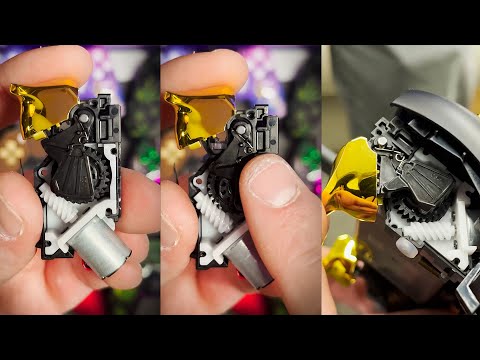
The short answer is yes, adaptive triggers can break. Like any mechanical component, they are susceptible to wear and tear, and reports of trigger malfunctions on the PS5 DualSense controller are not uncommon. However, the real question is not if they will break, but when and why, and what can be done to mitigate the risk. The lifespan of adaptive triggers depends on several factors including usage intensity, game types, and even individual handling of the controller. Let’s dive deep into the intricacies of this innovative technology and its potential vulnerabilities.
Understanding Adaptive Triggers and Their Mechanics
What are Adaptive Triggers?
Adaptive triggers are a feature of the PlayStation 5’s DualSense controller that dynamically adjust the resistance felt when pressing the L2 and R2 triggers. This allows developers to simulate various in-game actions, such as drawing a bowstring, firing a gun, or accelerating a car, providing a more immersive and tactile gaming experience. The triggers use small motors and gears to create these varying levels of resistance.
How Adaptive Triggers Work
Internally, adaptive triggers consist of a motor, gears, and a feedback mechanism. The motor controls the tension applied to the trigger, while the gears translate the motor’s rotation into the physical resistance you feel. The feedback mechanism allows the controller to accurately measure the amount of pressure being applied to the trigger, enabling precise control and nuanced gameplay.
Potential Failure Points
Given the mechanical nature of adaptive triggers, there are several potential points of failure:
- Motor burnout: The small motor can overheat and burn out with extended use, especially when continuously subjected to high levels of resistance.
- Gear wear: The gears responsible for creating the resistance can wear down or break over time, leading to a loss of functionality.
- Spring fatigue: The springs within the trigger mechanism can lose their tension, resulting in reduced resistance or a mushy feel.
- Sensor malfunctions: Sensors that detect trigger pressure can malfunction, leading to inaccurate input or unresponsive triggers.
- Physical damage: Dropping the controller or applying excessive force to the triggers can cause physical damage to the internal components.
Factors Affecting Trigger Durability
Game Types
The type of games you play significantly impacts the lifespan of your adaptive triggers. Games that constantly utilize the triggers at high resistance levels, such as first-person shooters or racing games, put more stress on the mechanism than games with less frequent or intense trigger usage.
Usage Intensity
The more frequently and intensely you use your DualSense controller, the faster the adaptive triggers will wear down. A casual gamer who plays for a few hours a week will likely experience fewer issues than a hardcore gamer who plays for several hours daily.
Handling and Maintenance
How you handle and maintain your controller also plays a role. Avoid dropping the controller or applying excessive force to the triggers. Regularly cleaning the controller can prevent dust and debris from accumulating inside the trigger mechanism, which can lead to premature wear.
Preventing and Addressing Trigger Issues
Adjusting Trigger Settings
The PS5 allows you to adjust the intensity of the adaptive trigger effect or even disable it entirely. Reducing the intensity can lessen the strain on the trigger mechanism and prolong its lifespan. To adjust these settings, go to: Settings > Accessibility > Controllers > Trigger Effect Intensity.
Cleaning and Maintenance
Regularly clean your controller with a soft, dry cloth to remove dust and debris. Avoid using liquids or harsh chemicals, as they can damage the controller’s internal components. If you suspect that debris has entered the trigger mechanism, you can try using compressed air to gently blow it out.
Professional Repair
If your adaptive triggers break, consider seeking professional repair services. Many electronics repair shops specialize in repairing DualSense controllers. They can diagnose the issue and replace the faulty components, restoring the triggers to their original functionality. You can also consult Games Learning Society, and potentially find support or insight into controller care and related topics.
The Broader Context of Controller Longevity
DualSense Drift
It’s worth mentioning the infamous DualSense drift, a phenomenon where the analog sticks register movement even when the player isn’t touching them. While not directly related to adaptive triggers, drift is another common issue that affects the lifespan of the DualSense controller. This underscores the fact that controllers, like all electronics, have a limited lifespan. GamesLearningSociety.org delves into various aspects of gaming and its impact, which could provide context for this issue.
Controller Lifespan Expectations
While there’s no definitive answer to how long a PS5 DualSense controller will last, reports suggest that stick drift may start to occur in as little as 400 hours of gameplay. However, this is just an estimate, and many factors can affect the controller’s lifespan. Expect to replace your controller every few years with regular and heavy use.
The Future of Controller Technology
Despite the issues with durability, adaptive triggers and haptic feedback represent a significant step forward in controller technology. As technology evolves, future controllers are likely to be more durable and reliable.
Conclusion
Adaptive triggers are a fantastic feature that adds a new layer of immersion to PS5 gaming. While they are susceptible to wear and tear, understanding the factors that affect their durability and taking preventative measures can help prolong their lifespan. By adjusting trigger settings, practicing good handling and maintenance, and seeking professional repair when needed, you can continue to enjoy the enhanced gaming experience that adaptive triggers offer.
Frequently Asked Questions (FAQs)
1. What is the average lifespan of PS5 adaptive triggers?
The lifespan of PS5 adaptive triggers varies greatly depending on usage. Some users report issues within months, while others experience no problems after years of use. On average, expect the triggers to last for 1-2 years with regular use.
2. Can I replace the adaptive triggers myself?
Replacing the adaptive triggers yourself is possible, but it requires technical skills and specialized tools. It’s generally recommended to seek professional repair services unless you have experience with electronics repair.
3. Does Sony offer a warranty for DualSense controllers?
Yes, Sony offers a limited warranty for DualSense controllers. However, the warranty may not cover issues caused by normal wear and tear or accidental damage.
4. Will playing certain games damage my adaptive triggers faster?
Yes, games that constantly utilize the triggers at high resistance levels, such as first-person shooters or racing games, put more stress on the mechanism and can accelerate wear.
5. Is it possible to disable adaptive triggers completely?
Yes, you can disable adaptive triggers completely in the PS5 settings. This can help prolong the lifespan of the triggers if you don’t find the feature essential.
6. How do I clean my DualSense controller to prevent trigger issues?
Clean your DualSense controller regularly with a soft, dry cloth to remove dust and debris. Avoid using liquids or harsh chemicals.
7. What should I do if my adaptive triggers start to feel loose or unresponsive?
If your adaptive triggers start to feel loose or unresponsive, try adjusting the trigger intensity settings. If that doesn’t help, seek professional repair services.
8. Are there third-party controllers with adaptive triggers?
While there are third-party controllers for the PS5, very few offer adaptive trigger functionality that matches the DualSense.
9. How does temperature affect the durability of adaptive triggers?
Extreme temperatures can negatively affect the durability of adaptive triggers. Avoid exposing your controller to direct sunlight or extreme heat.
10. Can I use a controller skin or grip to protect the triggers?
Controller skins or grips can provide some protection against physical damage, but they won’t prevent internal wear and tear.
11. Does the PS5 Digital Edition have any impact on controller lifespan compared to the disc version?
The PS5 Digital Edition and disc version have no impact on controller lifespan. Controller durability is solely dependent on usage patterns and handling.
12. Are adaptive triggers essential for enjoying PS5 games?
Adaptive triggers enhance the gaming experience but are not essential. Many games are fully playable without the feature, and you can disable it if you prefer.
13. How do I know if my adaptive triggers are about to break?
Signs that your adaptive triggers are about to break include reduced resistance, a mushy feel, or an unresponsive trigger.
14. Does the haptic feedback affect the adaptive triggers?
While haptic feedback and adaptive triggers are distinct features, the vibrations from haptic feedback can contribute to overall wear and tear on the controller, including the trigger mechanism.
15. What is the best way to store my DualSense controller when not in use?
Store your DualSense controller in a cool, dry place away from direct sunlight and extreme temperatures. Avoid placing heavy objects on top of the controller.