Will I Get Banned Using iPogo? The Expert’s Take on Pokémon Go Spoofing
Fast answer first. Then use the tabs or video for more detail.
- Watch the video explanation below for a faster overview.
- Game mechanics may change with updates or patches.
- Use this block to get the short answer without scrolling the whole page.
- Read the FAQ section if the article has one.
- Use the table of contents to jump straight to the detailed section you need.
- Watch the video first, then skim the article for specifics.
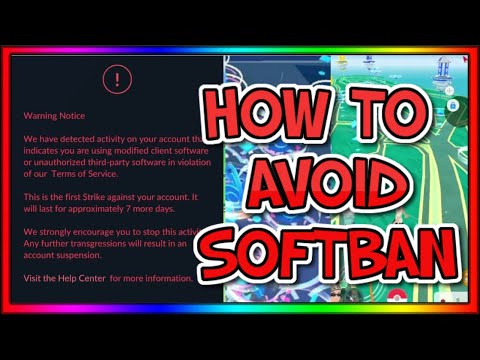
The short answer is: yes, there’s a significant risk of getting banned from Pokémon Go if you use iPogo. While not a guaranteed outcome, the likelihood is high enough that any seasoned Pokémon Go player should approach iPogo with extreme caution, or better yet, avoid it altogether. Niantic, the developer of Pokémon Go, actively combats location spoofing, and iPogo falls squarely into that category. Using it puts your account at risk of temporary suspensions (strikes) or, ultimately, a permanent ban. The information suggests even a first strike should deter continued use as Niantic will place a “close watch” on the user.
The Danger of Spoofing: Niantic’s Stance
Niantic takes a very firm stance against cheating, and location spoofing is one of the most blatant forms of cheating in Pokémon Go. It undermines the core gameplay loop of exploring the real world to find and catch Pokémon. Niantic has implemented various detection methods to identify and punish spoofers. While the exact methods remain somewhat secretive (to avoid giving spoofers an advantage), the consensus is that they involve analyzing GPS data, IP addresses, accelerometer data, and patterns of play.
Spoofing is risky because it provides an unfair advantage. It allows players to access rare Pokémon, complete raids, and dominate gyms without actually being present at those locations. This ruins the experience for legitimate players who follow the rules and invest time and effort into the game.
Understanding the Risks: Strikes and Bans
Niantic employs a tiered system of penalties for detected spoofing. These penalties are commonly referred to as “strikes.”
-
First Strike (Warning): This usually involves a temporary suspension of your account, lasting a few days. During this time, you may not be able to catch rare Pokémon, and certain features may be limited. It’s a clear warning from Niantic that your behavior has been flagged.
-
Second Strike (Temporary Suspension): This is a longer suspension, typically lasting around 30 days. This suspension comes with more restricted account functionalities than the first strike.
-
Third Strike (Permanent Ban): If you continue to spoof after receiving the first two strikes, Niantic will permanently ban your account. This means you will lose access to everything associated with your account, including all your Pokémon, items, and progress. This is generally a 10-year ban.
Why iPogo Specifically?
iPogo, like other third-party spoofing apps, is inherently detectable. It modifies the official Pokémon Go app and injects code to manipulate your device’s GPS location. These modifications create inconsistencies that Niantic can identify. The older the article is, the more easily detected it is.
Furthermore, anecdotal evidence suggests that iPogo might be less stable and more prone to crashing than some other spoofing apps, such as iSpoofer, as described in the article. While stability is a practical concern, frequent crashes could also attract unwanted attention from Niantic’s anti-cheat systems.
Alternative Accounts: A “Safer” (But Still Risky) Approach
Many experienced spoofers recommend using alternative accounts (also known as “burner” accounts or “throwaway” accounts) instead of your main account. The logic is that if one of these accounts gets banned, you haven’t lost your primary account with all your valuable Pokémon and progress. However, even using alternative accounts is not risk-free. Niantic can potentially link multiple accounts to the same player, especially if they are used on the same device or share similar patterns of play.
Playing Fair: The Ethical and Enjoyable Path
While the temptation to spoof can be strong, it’s crucial to consider the ethical implications and the long-term impact on your enjoyment of the game. Playing fairly ensures that the game remains balanced and enjoyable for everyone. It also protects your account from the risk of bans and suspensions.
Consider engaging with the Pokémon Go community in your area, participating in real-world events, and exploring new locations to find rare Pokémon legitimately. This approach is not only safer but also much more rewarding in the long run. Additionally, consider the research being done on the broader impact of games through organizations like the Games Learning Society, whose work explores how games shape learning and engagement; visit GamesLearningSociety.org to find out more.
FAQs: Your Questions About iPogo and Spoofing Answered
Here are 15 frequently asked questions about iPogo and spoofing in Pokémon Go, designed to provide further clarification and guidance:
-
Is iPogo safe to download and install? While the download itself might not contain viruses (though always scan files from unofficial sources), using iPogo is unsafe for your Pokémon Go account and risks a ban.
-
Can Niantic detect iPogo even if I’m careful? Yes. Niantic has various methods to detect spoofing, and using a modified app like iPogo increases your chances of detection, even with cautious usage.
-
What is a “soft ban,” and how is it related to spoofing? A soft ban is a temporary restriction imposed on your account after suspicious activity is detected, like rapidly changing locations. This means you cannot collect anything from Pokéstops or catch Pokémon, and is often a direct consequence of GPS spoofing without following cooldown rules.
-
How long does a soft ban last? Soft bans typically last for a few minutes to a few hours, depending on the severity of the detected activity.
-
What is the “cooldown” period in spoofing, and why is it important? The cooldown period is the amount of time you should wait before performing in-game actions (like spinning Pokéstops or battling in gyms) after spoofing to a new location. It simulates realistic travel time and helps avoid detection.
-
Can I get banned for spoofing even if I only use iPogo for a short time? Yes, even a brief period of spoofing can be detected and result in a ban.
-
Is it possible to appeal a ban from Pokémon Go? Yes, you can appeal a ban through Niantic’s support website. However, successful appeals are rare, especially if you were clearly engaging in spoofing.
-
What are the risks of using a VPN while spoofing? While a VPN can mask your IP address, it doesn’t hide the fact that you’re using a modified app like iPogo. Niantic’s detection methods are more sophisticated than simply tracking IP addresses.
-
If I get a first strike, should I stop using iPogo immediately? Absolutely. A first strike is a clear warning that your account is at risk. Continuing to use iPogo after receiving a first strike significantly increases your chances of a permanent ban. The article suggests, “I strongly suggest you never use iPogo again because Niantic will keep a close watch on you.”
-
Are there any legitimate ways to change my location in Pokémon Go (without spoofing)? No. Any method of changing your in-game location that isn’t achieved through physically moving in the real world is considered spoofing.
-
Does rooting or jailbreaking my device make spoofing safer? No. Rooting or jailbreaking your device actually increases the risk of detection, as it makes it easier for Niantic to identify modified devices. It also opens your device up to security vulnerabilities.
-
How does Niantic detect multiple accounts? While the exact methods are unknown, Niantic could detect multiple accounts through shared IP addresses, device identifiers, or similar patterns of play. However, Niantic often relies on reports from other players when detecting multiple accounts.
-
Can I use iPogo on my computer? iPogo is designed for mobile devices (iOS and Android). Using it on a computer would require an emulator, which further increases the risk of detection.
-
Is it true that Niantic bans IP addresses? The article claims that Niantic targets both IP addresses and actual player accounts when using the ban.
-
Are there any spoofing apps that are guaranteed to be safe? No. There are no spoofing apps that are guaranteed to be safe. All spoofing apps carry the risk of detection and a potential ban. PGSharp, the most reliable app as described in the article, still carries the risk of a ban.
In conclusion, while iPogo might seem like a tempting way to enhance your Pokémon Go experience, the risks far outweigh the rewards. The potential for account suspension or permanent ban makes it a dangerous tool to use. Playing fairly and enjoying the game as intended is the safest and most rewarding approach in the long run.