Will I Get in Trouble for Emulation? The Legal Landscape of Gaming’s Past
Fast answer first. Then use the tabs or video for more detail.
- Watch the video explanation below for a faster overview.
- Game mechanics may change with updates or patches.
- Use this block to get the short answer without scrolling the whole page.
- Read the FAQ section if the article has one.
- Use the table of contents to jump straight to the detailed section you need.
- Watch the video first, then skim the article for specifics.
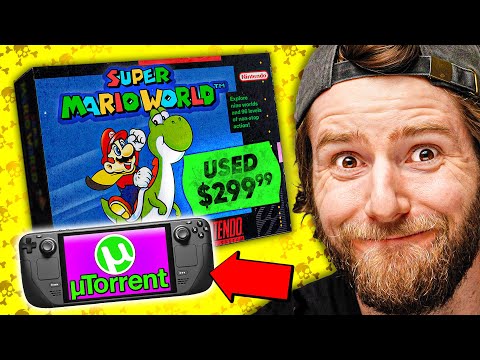
Whether you’re a seasoned gamer looking to revisit childhood favorites or a newcomer curious about gaming history, the world of emulation and ROMs can seem both exciting and daunting. The question on everyone’s mind is simple: Will I get in trouble for emulation? The short answer is: Emulation itself is generally legal, but acquiring and distributing ROMs of copyrighted games is usually not.
The legality hinges on a delicate balance between copyright law, fair use arguments, and the specifics of how you obtain and use emulators and ROMs. While you likely won’t face jail time for simply playing a ROM, understanding the nuances of the law is crucial to avoid potential legal pitfalls.
Understanding Emulation and ROMs
What is an Emulator?
An emulator is a piece of software that allows one computer system (the host) to behave like another computer system (the guest). In the context of gaming, an emulator allows you to play games designed for older consoles like the Nintendo Entertainment System (NES), Sega Genesis, or PlayStation on your modern computer, smartphone, or other device.
What is a ROM?
A ROM (Read-Only Memory) is a digital file containing the data from a game cartridge or disc. Think of it as a digital copy of the game itself. ROMs are what emulators use to actually run the games.
The Legal Grey Area
The core issue lies with copyright law. Video games are copyrighted intellectual property. As such, distributing copies of those games – ROMs – without the copyright holder’s permission is copyright infringement, a form of piracy.
However, the legality of emulation itself is different. Emulators don’t contain any copyrighted code from the original console or games. They are simply programs designed to mimic the hardware. Court cases, most notably Sony vs. Connectix, have established the legality of emulators. Connectix reverse-engineered the Sony PlayStation BIOS to create a PlayStation emulator for Macintosh computers. Sony sued, but the courts ruled in favor of Connectix, establishing that reverse engineering for the purpose of creating interoperable software is a legitimate use.
The DMCA and Circumvention
Another crucial aspect is the Digital Millennium Copyright Act (DMCA). This US law prohibits circumventing technological measures (like DRM) that control access to copyrighted works. If you have to bypass DRM to obtain a ROM, even if you own the original game, you might be violating the DMCA.
The “Fair Use” Argument
Some argue that downloading ROMs of games you already own constitutes fair use. Fair use is a legal doctrine that allows limited use of copyrighted material without permission for purposes such as criticism, commentary, news reporting, teaching, scholarship, or research. However, fair use is a highly fact-specific determination, and there’s no guarantee a court would agree with this argument.
Real-World Consequences
While prosecution for playing ROMs is rare, distributing ROMs is a serious offense. Websites that offer ROM downloads have been targeted by copyright holders, most notably Nintendo. Nintendo is notoriously protective of its intellectual property and has a history of taking legal action against ROM sites.
Staying on the Right Side of the Law
So, how can you enjoy retro gaming without running afoul of the law?
- Emulate legally obtained games: The safest approach is to rip your own ROMs from game cartridges or discs you legally own. This requires specialized hardware, but it ensures you’re using games you have a right to possess.
- Purchase digital versions: Many classic games are available for purchase on platforms like Steam, GOG, or Nintendo’s Virtual Console. These versions are often pre-configured to run on emulators.
- Support developers and publishers: By purchasing officially released versions of classic games, you’re supporting the developers and publishers who created them, encouraging them to continue preserving and making these games available.
FAQs: Your Emulation Questions Answered
Here are some frequently asked questions to further clarify the legal and ethical considerations of emulation.
1. Is downloading an emulator illegal?
No, downloading and using an emulator is perfectly legal. Emulators are simply software programs, and there is no law against creating or using them. The legality concerns arise with how you obtain and use ROMs.
2. Is downloading ROMs illegal?
Yes, downloading ROMs of copyrighted games without permission is generally illegal. It’s considered copyright infringement, as you’re obtaining a copy of the game without paying for it or having the right to possess it.
3. Can I download a ROM if I own the physical game?
This is a grey area. While some argue it’s fair use, there’s no legal precedent definitively stating it’s legal. Technically, downloading a ROM is still making a copy of copyrighted material without permission, even if you own the original.
4. Has anyone ever gone to jail for downloading ROMs?
While it’s uncommon for individuals to face jail time for downloading ROMs, it is not unheard of. Distributing ROMs, especially on a large scale, carries a much higher risk of legal consequences, including potential criminal charges.
5. What is the DMCA, and how does it relate to emulation?
The DMCA makes it illegal to circumvent technological measures (like DRM) that control access to copyrighted works. If you have to bypass DRM to obtain a ROM, you’re violating the DMCA, even if you own the original game.
6. What is “fair use,” and does it apply to ROMs?
Fair use is a legal doctrine that allows limited use of copyrighted material without permission for purposes like criticism, commentary, or education. While some argue that downloading ROMs of games you own is fair use, there’s no guarantee a court would agree. The use must be “transformative” or be used in a way that doesn’t undermine the original copyright holder’s market.
7. What’s the difference between an emulator and a ROM?
An emulator is a program that mimics the hardware of a game console, while a ROM is a digital copy of the game itself. The emulator needs a ROM to run a game.
8. Is it legal to rip my own ROMs from my game cartridges?
Yes, ripping your own ROMs from games you legally own is generally considered the most legally sound way to obtain ROMs. However, you’ll need specialized hardware to do so.
9. Can I share ROMs with my friends if we both own the game?
No, sharing ROMs is illegal, even if both you and your friend own the game. Sharing constitutes distributing copyrighted material without permission.
10. What are the risks of downloading ROMs from unknown websites?
Downloading ROMs from unknown websites can expose you to several risks:
- Malware and viruses: ROM sites are often rife with malware, viruses, and other malicious software.
- Copyright infringement: You’re engaging in illegal activity by downloading copyrighted material without permission.
- Legal action: While rare, copyright holders could potentially take legal action against individuals who download ROMs.
11. Is Nintendo cracking down on ROMs?
Yes, Nintendo is notoriously protective of its intellectual property and has a long history of taking legal action against ROM sites. They actively pursue legal action against websites that host or distribute ROMs of their games.
12. Can I use an emulator for commercial purposes?
Using an emulator for commercial purposes, such as showcasing games at a trade show, requires permission from the copyright holders of the games.
13. Are there any legal ways to play retro games on my computer?
Yes, there are legal ways to play retro games:
- Purchase digital versions on platforms like Steam, GOG, or Nintendo’s Virtual Console.
- Rip your own ROMs from games you legally own.
- Subscribe to services like Nintendo Switch Online, which offers access to a library of classic games.
14. What about abandonware? Are ROMs of abandonware games legal to download?
No, the term “abandonware” has no legal standing. Even if a game is no longer sold or supported by its copyright holder, it’s still protected by copyright law. Downloading ROMs of abandonware games is still considered copyright infringement.
15. Where can I learn more about the intersection of games and learning?
If you’re interested in exploring the educational potential of video games, I recommend checking out the Games Learning Society at GamesLearningSociety.org. This organization brings together researchers, educators, and game developers to explore how games can be used to enhance learning and engagement.
Conclusion
Emulation offers a fantastic way to experience gaming’s rich history. By understanding the legal framework surrounding ROMs and taking steps to obtain games legally, you can enjoy retro gaming responsibly and without fear of legal repercussions. Remember, supporting developers and publishers helps ensure that these classic games remain available for future generations to enjoy.