Women and Guilds: Unraveling Their Role in the Medieval Economy
Fast answer first. Then use the tabs or video for more detail.
- Watch the video explanation below for a faster overview.
- Game mechanics may change with updates or patches.
- Use this block to get the short answer without scrolling the whole page.
- Read the FAQ section if the article has one.
- Use the table of contents to jump straight to the detailed section you need.
- Watch the video first, then skim the article for specifics.
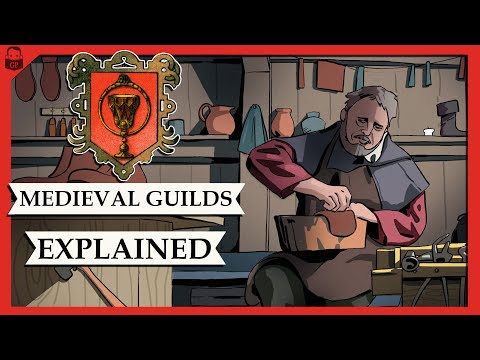
Did the guild system change women’s role in the economy? The answer is complex. While guilds are often portrayed as male-dominated institutions, the reality is far more nuanced. Although guilds offered new economic opportunities in cities, women’s participation remained largely constrained by societal norms and legal limitations. While some women certainly benefited, the guild system generally reinforced existing gender roles rather than revolutionizing women’s economic standing. Some women achieved economic success, but many more continued to face challenges.
The Contradictory Nature of Women’s Involvement in Guilds
Guilds, those powerful associations of craftsmen and merchants that flourished throughout Europe between the 11th and 16th centuries, presented a double-edged sword for women. On one hand, they offered a potential avenue for economic independence and social mobility. On the other hand, they frequently perpetuated the patriarchal structures that limited women’s access to training, membership, and leadership roles.
Direct Membership vs. Indirect Participation
It’s essential to distinguish between direct membership and indirect participation. Direct membership, where women held their own independent guild status, was relatively rare. More commonly, women participated in guilds through their relationships with male family members – husbands, fathers, or brothers – who were guild masters. This “deputy husband” system allowed women to assist in the family business, contribute their labor, and even manage the enterprise in the absence or death of the male member. However, their rights and autonomy were often dependent on their male relatives.
Guilds and Specific Trades
The extent of women’s involvement varied significantly depending on the specific trade. Trades considered “feminine,” such as spinning, weaving, silk work, and midwifery, tended to have higher female participation rates. These trades were often seen as extensions of domestic work and were therefore deemed more acceptable for women. Some guilds, such as those for silk spinners in certain Italian cities, were even exclusively female. However, even in these trades, women often faced lower wages and limited opportunities for advancement compared to their male counterparts. Trades traditionally dominated by men, like blacksmithing, carpentry, or butchery, generally excluded women altogether or limited their participation to support roles.
The Impact on Wages and Economic Independence
The assertion that women “mostly stayed home and very few received wages of any kind for services performed” is a generalization that doesn’t fully capture the reality of the time. While it’s true that many women were primarily engaged in domestic duties, countless others contributed significantly to the household economy through various forms of paid and unpaid labor. Guilds certainly impacted wages, generally by increasing wages for members. However, since women were often excluded, that tended to widen the gap. Guilds often controlled working conditions and the hours of work. Guild members could turn to the Guild if they came onto hard times or were sick. Because women were often barred from membership, they also could not rely on the guilds to protect them.
The Long-Term Consequences
The guild system, while contributing to the economic growth of Europe, inadvertently reinforced gender inequalities. By restricting women’s access to training, resources, and leadership positions, guilds limited their potential for economic empowerment and perpetuated the notion of women as secondary economic actors. This legacy had long-term consequences, influencing the gender dynamics of the workforce for centuries to come. The Games Learning Society (see GamesLearningSociety.org) researches how games can be used to teach history, and that includes teaching about historical economic inequalities.
Frequently Asked Questions (FAQs)
Here are some frequently asked questions to delve deeper into the complex relationship between women and the guild system:
- Did all guilds exclude women? No. Some guilds, especially those in trades considered “feminine,” welcomed female members or allowed women to participate through their male relatives. Other guilds strictly prohibited female membership.
- What were the main reasons for excluding women from guilds? Social norms that prioritized domestic roles for women, concerns about female competition in male-dominated trades, and patriarchal structures that limited women’s access to education and training all contributed to their exclusion.
- How did women participate in guilds if they weren’t official members? Many women worked alongside their husbands, fathers, or brothers in the family business. They might manage the shop, handle finances, train apprentices, or produce goods. In some cases, they could even continue the business after their husband’s death.
- Were there any guilds exclusively for women? Yes, in certain regions and for specific trades like silk spinning, there were guilds composed entirely of women. These guilds provided women with economic independence and a degree of autonomy.
- Did guilds affect women’s wages? Yes, in the sense that guild membership typically led to higher wages. However, because women were often excluded from membership, they missed out on these benefits, further widening the wage gap between men and women.
- How did guilds impact the training and education of women? Guilds controlled access to apprenticeships and training opportunities. Because women were often excluded from guilds, they were also denied access to these crucial educational resources.
- What was the “deputy husband” system? This term refers to the practice of women assisting their husbands in their trades and managing the business in their absence or after their death. While it provided women with some economic agency, their rights were still dependent on their male relatives.
- Did guilds play a role in regulating women’s work outside the home? Yes, guilds often attempted to regulate the types of work women could perform and the wages they could earn, often with the intention of protecting male guild members from competition.
- How did the Church’s view on women influence their role in guilds? The Church’s emphasis on women’s domestic role and their perceived inferiority reinforced societal norms that limited their participation in the public sphere, including guilds.
- What happened to women’s involvement in guilds as the medieval period progressed? The trend was largely towards greater exclusion. As guilds became more powerful and formalized, they often tightened their restrictions on female membership.
- Were there any instances of women challenging guild restrictions? While documentation is limited, there are some historical accounts of women petitioning for guild membership or challenging discriminatory practices.
- How did the rise of capitalism affect women’s roles in the economy compared to the guild system? The rise of capitalism brought new opportunities for some women, particularly in industries outside the control of traditional guilds. However, it also created new forms of exploitation and inequality.
- Do guilds still exist today, and what role do women play in them? Yes, craft and artisan guilds still exist in some parts of the world. Women often play significant roles in these guilds, particularly in traditional crafts.
- How can we learn more about women’s history in the context of the guild system? Historical research, archival documents, and feminist scholarship provide valuable insights into the lives and experiences of women during the medieval and early modern periods.
- What is the legacy of the guild system for women’s economic empowerment today? The guild system serves as a reminder of the historical barriers that have limited women’s economic opportunities. By understanding these past struggles, we can work towards creating a more equitable and inclusive economic system for all.