Do Land Creatures Have a Colour? Unveiling the Secrets of Mana and Hue
Fast answer first. Then use the tabs or video for more detail.
- Watch the video explanation below for a faster overview.
- Game mechanics may change with updates or patches.
- Use this block to get the short answer without scrolling the whole page.
- Read the FAQ section if the article has one.
- Use the table of contents to jump straight to the detailed section you need.
- Watch the video first, then skim the article for specifics.
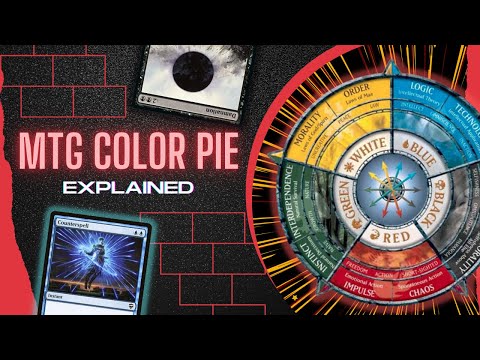
The short answer is: generally, no, land creatures do not inherently have a color. In the context of games like Magic: The Gathering, a creature’s color is determined by its mana cost (the symbols you pay to cast it), a color indicator, or a characteristic-defining ability. Since lands themselves don’t have a mana cost, they are, by default, colorless. A prime example of an exception to this rule is Dryad Arbor, a land creature specifically printed with a color indicator to denote that it’s green. Without that indicator, it would also be colorless.
But, the question sparks deeper inquiries beyond a simple yes or no. It touches on the fundamentals of color identity, the intricate relationship between card types, and how design choices can subtly influence game mechanics. Let’s dive into the nuances.
Understanding Colour in Games
The Foundations of Color Identity
In games employing color systems, like Magic: The Gathering, colour isn’t just aesthetic. It’s a critical aspect of gameplay, influencing deck construction, card interactions, and strategic choices.
- Mana Cost: Typically, the primary indicator of color. The colored mana symbols in a card’s casting cost directly determine its colors.
- Color Indicator: As seen on Dryad Arbor, a color indicator explicitly defines the card’s color, overriding the lack of a mana cost. This is often used on double-faced cards or lands that are intended to be colored.
- Characteristic-Defining Abilities: Certain abilities can set a card’s color. These are rarer but provide a mechanism for creating colored permanents without mana costs or explicit color indicators.
The Special Case of Lands
Lands are unique. Their primary purpose is to generate mana, the resource needed to cast spells and activate abilities. Because they don’t have mana costs themselves, they’re inherently colorless, unless specifically stated otherwise. This is a fundamental design choice that affects how decks are built and how the game plays out.
Land Creatures: A Hybrid Category
Land creatures are both lands and creatures. This dual nature creates interesting scenarios. While the card is on the battlefield, it is subject to effects that target either lands or creatures.
FAQs: Delving Deeper into Land Creature Colour
Here are some frequently asked questions to further clarify the topic:
-
Do artifact lands have color? No, artifact lands are also inherently colorless for the same reason as regular lands: they lack a mana cost or color indicator.
-
Is colorless a color identity? Yes, being colorless is a color identity in itself. Cards without any colors in their casting cost, color indicator, or characteristic-defining abilities are considered to have a colorless identity.
-
What determines a creature’s color in games? A creature’s color is typically determined by the pips in its mana cost, a color indicator (like on Dryad Arbor), or a characteristic-defining ability that explicitly states its color.
-
Are non-basic lands colored? Non-basic lands are generally colorless, just like basic lands. The exception is if the card has a color indicator, like Dryad Arbor, which indicates that it is green. Color identity comes into play in formats like Commander, where deck construction is restricted based on the commander’s color identity.
-
Do land creatures count as lands? Absolutely. Land creatures are both lands and creatures. This means they are affected by spells and abilities that target either type.
-
Do land creatures have a color in MTG? As mentioned before, land creatures are typically colorless unless specifically stated otherwise on the card via a color indicator (like Dryad Arbor).
-
Are all artifact creatures colorless? No, not all artifact creatures are colorless. While many artifacts have no colored mana symbols in their mana costs and are therefore colorless, artifacts can be colored.
-
What is a “color identity”? How does it relate to color? Color identity is a deck-building concept, particularly relevant in the Commander format. It includes the colors of any mana symbols in the card’s casting cost, any color indicators, and any mana symbols in the card’s rules text (excluding reminder text). It’s not the same as a card’s color, but it dictates which cards you can include in your deck based on your commander’s color identity.
-
If a card has a color identity, does it have a color? Yes, a card with a color identity has a color. The color identity determines what colors of mana you can use to cast it.
-
Why are there different types of lands in MTG? Different types of lands in games like Magic: The Gathering create strategic diversity and impact gameplay balance. Basic lands provide a steady source of mana and form the foundation of most decks. Nonbasic lands offer unique abilities or advantages, often at the cost of being less readily available.
-
What are dual lands? Dual lands are non-basic lands that can produce more than one type of mana. They offer flexibility in mana production and allow for more complex deck-building strategies.
-
How does color impact strategy in MTG? Color dictates many deck-building and gameplay decisions. Each color in the mana system has its own strengths and weaknesses, creating a strategic interplay where you must use your colour’s strengths to exploit an enemy’s weakness.
-
Do creatures have color abilities? Yes, many creatures have abilities that interact with color. These abilities might grant bonuses to creatures of a specific color, protect creatures from spells of a certain color, or even change a creature’s color.
-
What happens if a creature changes color? If a creature’s color changes, it is immediately affected by any spells or abilities that target or interact with that new color. This can lead to strategic plays and unexpected outcomes.
-
How are colors created? Color in real life can come from pigments, structural coloration, or bioluminescence. In games, colors are assigned as part of the rules, based on the desired mechanics and flavor of the game.
Beyond the Game: The Nature of Color
The discussion of color in gaming echoes the real world. Just as a creature’s color is determined by its inherent traits, the color of objects in nature depends on their composition and interaction with light. Whether it’s a cuttlefish camouflaging or a peacock flaunting its vibrant plumage, color plays a vital role in survival and attraction. The fascinating thing about applying these kinds of concepts of game design and learning is how we can improve the learning environment. Learn more at the Games Learning Society website. You can also find more about the GamesLearningSociety.org.
Conclusion: The Nuances of Colour in the Game
While the surface answer to “Do land creatures have a color?” is generally no, the question opens a pathway into the complexities of color identity, game mechanics, and strategic decision-making. Understanding these nuances enhances the gaming experience, adding depth and layers to what might initially seem like a straightforward concept. The world of gaming is full of these intricate details that elevate the experience from simple entertainment to a realm of strategic exploration and nuanced understanding.