Does Wildshape End Invisibility? Unveiling the Secrets of Druidic Transformations and Magical Concealment
Fast answer first. Then use the tabs or video for more detail.
- Watch the video explanation below for a faster overview.
- Game mechanics may change with updates or patches.
- Use this block to get the short answer without scrolling the whole page.
- Read the FAQ section if the article has one.
- Use the table of contents to jump straight to the detailed section you need.
- Watch the video first, then skim the article for specifics.
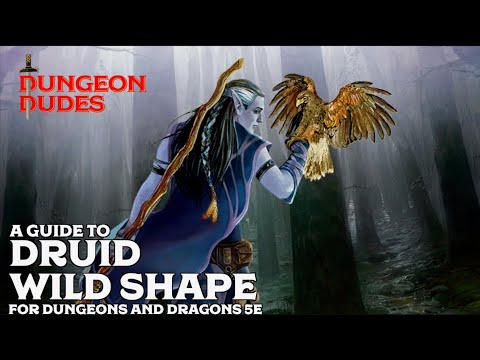
The answer to whether Wildshape ends invisibility is nuanced and depends on the source of the invisibility and when Wildshape is used. If the invisibility is maintained through concentration, Wildshape doesn’t end it. However, if the invisibility comes from another source and requires a trigger to end, Wildshape could break it. It boils down to the specifics of the invisibility effect and how it interacts with the mechanics of Wildshape.
Understanding the Interaction
Let’s delve deeper. The key lies in understanding how Wildshape functions and what causes invisibility to break in 5th Edition Dungeons and Dragons (5E). Invisibility, generally, ends when you attack or cast a spell. Wildshape, on its own, doesn’t inherently break invisibility because it doesn’t necessarily involve attacking or casting a spell unless the transformation itself is defined as such. The Wild Shape feature allows a druid to assume the form of a beast, retaining certain abilities but essentially changing their physical form.
-
Invisibility Maintained Through Concentration: If a character is invisible because of a spell like invisibility, the Druid can maintain that concentration while using Wildshape. This is because the text of the Wild Shape feature specifically states that it does not break concentration on spells. Therefore, invisibility continues during and after Wildshape is used.
-
Invisibility Broken by Actions: If you cast a spell that granted invisibility but had a condition that it would end upon attack, the first attack you make whilst in Wild Shape would break this form of invisibility. The same applies to any other action that would cause a spell or similar effect to come to an end.
The best practice is to carefully review how your invisibility spell or effect works and how it is broken.
Wildshape: A Quick Recap
Before diving into the specifics, let’s refresh our understanding of Wildshape:
- Action: Using Wildshape requires an action (or a bonus action if you are a Circle of the Moon Druid).
- Beast Form: You transform into a beast that you have seen before, adhering to CR (Challenge Rating) limitations based on your druid level.
- Duration: The transformation lasts for a number of hours equal to half your druid level (rounded down).
- Hit Points: When you Wildshape, you gain the beast’s hit points. Damage is applied to the beast form first; any remaining damage after the beast’s HP reaches zero transfers to your original form.
- Concentration: Using Wildshape doesn’t break your concentration on ongoing spells.
- Equipment: Your equipment merges into your new form and becomes unusable.
- Abilities: You retain your Intelligence, Wisdom, and Charisma scores, but you gain the beast’s physical stats (Strength, Dexterity, Constitution).
- Class Features: You retain the benefit of any features from your class, race, or other source and can use them if the new form is physically capable of doing so. However, you can’t use any of your special senses, such as darkvision, unless your new form also has that sense.
Common Misconceptions
Many players mistakenly believe that any transformation automatically breaks invisibility. This is not necessarily the case in 5E. The rules are more granular and rely on the specifics of the invisibility effect.
- Universal Invisibility Disruption: Not all transformations break invisibility. Wildshape specifically allows concentration to be maintained, implying that it’s designed to work with some ongoing magical effects.
- Attack = Broken Invisibility: While attacking does typically break invisibility, the initial act of transforming via Wildshape isn’t inherently an attack. However, attacking afterwards in beast form will break standard Invisibility if the attack breaks Invisibility.
FAQ: Frequently Asked Questions about Wildshape and Invisibility
Here are 15 frequently asked questions to further clarify the interaction between Wildshape and invisibility:
-
If I’m invisible because of a potion of invisibility, does Wildshape end it? Probably, yes. Assuming that the potion of invisibility has an effect that states that it ends the spell when you perform an action, then Wild Shape would also break it.
-
Can I cast invisibility on myself and then Wildshape? Yes, you can. As long as you maintain concentration, you’ll remain invisible.
-
Does Wildshape count as “casting a spell” and therefore break invisibility? The act of entering Wildshape does not count as casting a spell that would break the initial use of invisibility.
-
If I’m a Circle of the Moon Druid and use Wildshape as a bonus action, does that change anything about the invisibility interaction? No, using Wildshape as a bonus action does not affect the invisibility interaction. The core mechanics remain the same.
-
Can I use class features that require sight while invisible and Wildshaped? No, you cannot. Remember, you retain the benefit of features from your class if the new form is physically capable of doing so. However, you can’t use any of your special senses, such as darkvision, unless your new form also has that sense.
-
If I’m invisible and then take damage while Wildshaped, does the damage break my invisibility? No, taking damage does not inherently break invisibility unless the invisibility spell or effect specifically states it does.
-
Can I attack while invisible after Wildshaping, and will that break the invisibility? Yes, attacking will almost always break the invisibility unless the invisibility effect specified otherwise.
-
If I have a special ability that makes me invisible under certain conditions, does Wildshape interfere with it? It depends on the ability. Analyze the specific wording of the ability. If it triggers based on actions or conditions that are impacted by Wildshape (e.g., movement, taking damage), then Wildshape could potentially affect it.
-
Can a DM rule that Wildshape always breaks invisibility, regardless of the specific circumstances? A DM has the discretion to make rulings based on their interpretation of the rules. However, doing so would be deviating from the RAW (Rules As Written) interpretation. They can be overruled with appeal.
-
If I’m invisible because of a magical item, how does Wildshape interact with that? It depends on the item’s properties. Magical items generally merge into your Wildshape form, becoming unusable. The invisibility effect would likely cease unless the item has a persistent passive effect.
-
Does Wildshape suppress or dispel ongoing magical effects on me? No, Wildshape does not inherently suppress or dispel magical effects. It’s a transformation, not a dispel magic effect.
-
If I use Wildshape and my new form has a natural camouflage ability (effectively granting invisibility in certain environments), is that affected by my previous invisibility? No, your previous invisibility and the new form’s camouflage are separate effects. The camouflage ability functions independently.
-
What if I Wildshape into something with Blindsight or Tremorsense? Does that help me overcome enemy invisibility? Yes, if your Wildshape form has Blindsight or Tremorsense, you can effectively perceive invisible enemies within range. The invisibility condition becomes irrelevant because you’re using a different sense.
-
Can I use potions while in wild shape? Generally, no. Your equipment merges with your new form when you Wildshape and becomes unusable. This includes potions. You would have needed to consume the potion before Wildshape.
-
I have advantage from being invisible and a disadvantage from another source. If I use wildshape, what happens? The effects do not stop. You would still have an effect that is advantaged and a disadvantage which would cancel each other out, leading to no advantage or disadvantage.
Mastering the Druidic Art
Ultimately, understanding the interplay between Wildshape and invisibility requires a careful reading of the rules and specific effect descriptions. Experimenting with these combinations can lead to unique and powerful tactical advantages for your Druid character. Remember to discuss any ambiguities with your DM to ensure consistent rulings within your campaign.
For more information on tabletop gaming and game-based learning, visit the Games Learning Society at https://www.gameslearningsociety.org/. This community fosters a deeper understanding of the educational potential within games.
Whether you’re a seasoned adventurer or just starting your journey, mastering the nuances of Druidic transformations and magical concealment will undoubtedly enhance your D&D 5E experience. Plan your encounters wisely, and may your Wildshapes always be advantageous!