How Gacha Games Rake in Billions: A Deep Dive into Monetization Strategies
Fast answer first. Then use the tabs or video for more detail.
- Watch the video explanation below for a faster overview.
- Game mechanics may change with updates or patches.
- Use this block to get the short answer without scrolling the whole page.
- Read the FAQ section if the article has one.
- Use the table of contents to jump straight to the detailed section you need.
- Watch the video first, then skim the article for specifics.
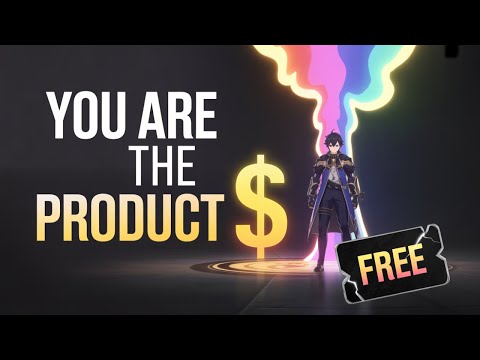
Gacha games make money primarily through a monetization model centered around randomized virtual rewards that players acquire using in-game currency, which can often be purchased with real money. This system mimics real-world gacha machines (capsule toy vending machines), offering a chance at rare and powerful characters, items, or equipment. A small percentage of players, often referred to as “whales,” spend significant sums of money in pursuit of these coveted assets, effectively subsidizing the game for the majority of players who spend less or nothing at all.
Understanding the Gacha Business Model
The core principle behind gacha revenue generation revolves around a carefully calibrated combination of psychological triggers, game design, and perceived value. Here’s a breakdown of the key elements:
- Virtual Currency: Players typically acquire “gems,” “crystals,” or other forms of in-game currency, often through gameplay but also available for purchase with real money.
- Randomized Rewards (Gacha Rolls): This currency is then used to perform “gacha rolls,” which offer a chance to obtain a random item or character. The odds of obtaining rare and powerful assets are significantly lower than common ones.
- Desire and Scarcity: The desire to acquire powerful characters or items, coupled with their scarcity, fuels the urge to spend more money to improve the odds of success.
- Power Creep and New Content: Developers continually introduce new, more powerful characters and items, creating a constant incentive for players to spend in order to remain competitive or keep up with the latest meta.
- Limited-Time Events and Banners: These create a sense of urgency, encouraging players to spend money to acquire limited-edition characters or items before they become unavailable.
- VIP Systems: Some gacha games offer VIP systems where spending a certain amount of money unlocks exclusive perks, further incentivizing spending among dedicated players.
- Addiction and Variable Ratio Reinforcement: The randomized nature of gacha rolls taps into the psychological principles of variable ratio reinforcement, similar to gambling. Players are more likely to continue spending if they experience occasional wins, even if they also experience numerous losses.
- Community and Social Pressure: The desire to keep up with other players or participate in competitive events can also drive spending. Sharing successes on social media can also create social pressure to acquire the latest characters.
The Whale Phenomenon
As mentioned previously, a small percentage of players, often referred to as “whales,” contribute a disproportionately large amount of revenue in gacha games. These players are often highly invested in the game and willing to spend significant sums of money to acquire the best characters or items. Their spending habits are crucial to the financial success of many gacha games.
Ethical Considerations
The gacha business model has faced criticism for its potential to be exploitative and addictive, particularly for vulnerable individuals. The similarities to gambling have led to calls for greater regulation and transparency. The Games Learning Society is a great resource for understanding the ethical and educational aspects of gaming. For more insights, visit GamesLearningSociety.org.
Frequently Asked Questions (FAQs) about Gacha Game Monetization
1. Why are gacha games so profitable?
Gacha games are profitable because they tap into psychological principles of desire, scarcity, and variable rewards. The thrill of the chase and the desire to collect rare items drive spending, especially among a small subset of dedicated players. The games are designed to be highly engaging and often offer a continuous stream of new content, maintaining player interest and incentivizing ongoing spending.
2. Is gacha basically gambling?
While gacha games share similarities with gambling, they are generally not legally classified as such in many jurisdictions. The primary difference is that the virtual items acquired usually lack direct monetary value outside the game itself. However, the debate continues, and some countries have implemented regulations to address concerns about potential harm.
3. What is the average lifespan of a gacha game?
The average lifespan of a gacha game is around 2-3 years. Games that manage to last for 4+ years are considered successful, particularly if they consistently rank among the top-grossing mobile games.
4. What makes Genshin Impact so successful in the gacha market?
Genshin Impact’s success stems from its high-quality graphics, engaging gameplay, open-world exploration, compelling storyline, and well-designed characters. Combined with the gacha mechanic, these elements create a highly addictive and lucrative experience.
5. Are gacha games illegal in some countries?
Yes, some countries have enacted legislation to regulate or restrict certain aspects of gacha gaming. For example, Japan banned “kompu gacha” in 2012, a specific type of gacha that required players to collect a set of items to obtain a grand prize.
6. How do gacha games handle power creep?
Gacha games often introduce new characters and items that are more powerful than existing ones, a phenomenon known as power creep. This creates a constant incentive for players to spend money to acquire the latest and greatest assets.
7. What are the ethical concerns surrounding gacha games?
Ethical concerns include the potential for addiction, exploitation of vulnerable individuals, and the blurred line between gaming and gambling. The use of variable ratio reinforcement and the emphasis on scarcity can encourage excessive spending.
8. What are the key strategies for retaining players in gacha games?
Key strategies include regularly updating content, introducing new characters and events, providing generous rewards, fostering a strong community, and offering engaging gameplay experiences. These efforts help maintain player interest and encourage long-term engagement.
9. How do gacha games balance free-to-play accessibility with monetization?
Gacha games typically offer a significant amount of content that can be accessed without spending money. However, the most desirable characters and items are often locked behind the gacha system, requiring players to spend money or grind extensively to obtain them.
10. What role do influencers play in gacha game monetization?
Influencers and content creators play a significant role in promoting gacha games and influencing player spending. They often showcase new characters, provide gameplay tips, and create a sense of community, which can drive player engagement and spending.
11. What is “pity” in gacha games?
“Pity” refers to a mechanic where the game guarantees a rare item or character after a certain number of unsuccessful gacha rolls. This is designed to mitigate the frustration of prolonged losing streaks and encourage continued spending.
12. How does the psychology of collecting influence gacha spending?
The psychology of collecting plays a significant role in gacha spending. Many players are driven by the desire to complete their collection of characters or items, even if they don’t necessarily need them for gameplay. The “gotta catch ’em all” mentality is a powerful motivator.
13. Are there alternative monetization models for gacha games?
While the gacha mechanic is the primary revenue driver, some games also incorporate other monetization models, such as battle passes, cosmetic items, and subscriptions. These options provide alternative ways for players to support the game without relying solely on gacha rolls.
14. What is the impact of gacha games on the overall mobile gaming market?
Gacha games have had a significant impact on the mobile gaming market, driving revenue and shaping game design trends. Their success has led to the adoption of gacha mechanics in other genres of mobile games.
15. How are regulations evolving to address concerns about gacha games?
Regulations are evolving to address concerns about gacha games, with some countries implementing measures to increase transparency, limit spending, and protect vulnerable individuals. These regulations are often aimed at reducing the potential for addiction and financial harm.
Understanding the intricate mechanics of gacha monetization allows both players and developers to approach these games with greater awareness and responsibility. For more in-depth analysis of games and learning, check out the Games Learning Society at https://www.gameslearningsociety.org/.