What is a Warlock in D&D? A Comprehensive Guide
Fast answer first. Then use the tabs or video for more detail.
- Watch the video explanation below for a faster overview.
- Game mechanics may change with updates or patches.
- Use this block to get the short answer without scrolling the whole page.
- Read the FAQ section if the article has one.
- Use the table of contents to jump straight to the detailed section you need.
- Watch the video first, then skim the article for specifics.
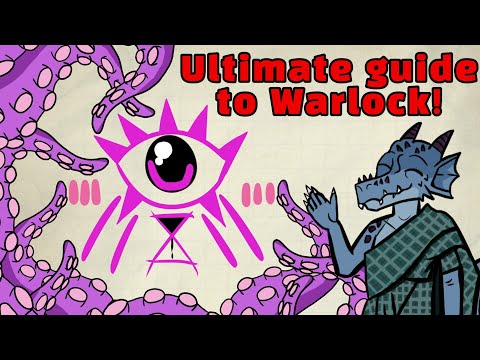
At its core, a warlock in Dungeons & Dragons (D&D) is a character class that derives its magical power from a pact or bargain made with a powerful entity, often referred to as a patron. Unlike wizards who meticulously study arcane texts or sorcerers who are born with innate magical abilities, warlocks channel their magic through this bond, creating a unique and often morally ambiguous path to power. This pact shapes their abilities, their spells, and even their personality, leading to diverse and compelling character concepts. Essentially, a warlock’s magic is not their own; it’s a gift, or perhaps a debt, granted by their otherworldly patron. This symbiotic relationship is what truly defines the class, differentiating it from other spellcasters within the game.
The Pact: The Source of Warlock Power
The nature of a warlock’s pact is central to their identity. These pacts can take many forms, from explicit contracts with fiends to more subtle, accidental connections with cosmic beings. The patron is not merely a source of power; they often have their own motivations, desires, and agendas that may influence the warlock’s actions and beliefs. Common patron types include:
- Fiends: Devils and demons from the Lower Planes, offering power in exchange for servitude or corruption.
- Fey: Archfey from the mystical Feywild, granting magic with a touch of whimsical chaos and potential trickery.
- Great Old Ones: Ancient and unfathomable entities from beyond reality, bestowing eldritch knowledge and madness.
- Celestial: Beings of light and good from the Upper Planes, granting divine powers in service to justice and benevolence.
- Hexblade: A sentient weapon or a patron from the Shadowfell, focused on martial prowess and cursed energies.
- Genie: Powerful beings from the Elemental Planes, capable of granting wishes and offering potent magic.
These are just a few examples, and the variety allows players to create truly unique and memorable characters. The choice of patron not only impacts the flavor of the warlock but also grants access to specific spells and abilities, leading to very different gameplay experiences.
Unique Warlock Mechanics
Warlocks have a unique set of mechanics that set them apart from other spellcasters:
- Pact Magic: Warlocks use short rest spell slots, meaning they regain their spell slots after only an hour, not the standard long rest. This encourages more frequent use of magic and fits the pact-based nature of their power. They have a smaller number of spell slots overall but cast them at a higher level.
- Eldritch Invocations: These are special abilities that enhance a warlock’s capabilities. Invocations can grant a variety of boons, from improving spellcasting to providing utility outside of combat.
- Pact Boons: At 3rd level, warlocks choose a specific “Pact Boon,” which further tailors their abilities. Options include Pact of the Blade (enhancing melee capabilities), Pact of the Chain (gaining a familiar), Pact of the Tome (gaining access to additional spells and rituals), and Pact of the Talisman (providing a protective charm).
- Charisma-Based Spellcasting: Warlocks use Charisma as their spellcasting ability, making them effective at social interactions in addition to combat.
Warlocks in Combat
Warlocks excel in combat with a versatile blend of powerful spells and melee capabilities. While not as potent as dedicated martial classes, their access to the Eldritch Blast cantrip, a reliable and potent damage option, makes them a formidable force on the battlefield. Their pacts and invocations allow for customization, permitting builds focused on ranged magic, melee combat, or battlefield control. They are not as durable as some classes, but are well-suited to a “glass cannon” role, dealing high damage with a more limited number of resources and relying on strategy and positioning for their survival.
The Role of a Warlock
The role of a warlock is highly dependent on their patron and the choices the player makes. They are often portrayed as characters of morally grey areas, grappling with the consequences of their pact. Warlocks often play a complex role in the party. Their ability to deal damage, provide utility spells, and engage in social interactions makes them an adaptable and flexible addition to any adventuring group.
Frequently Asked Questions (FAQs)
1. What are the benefits of playing a Warlock in D&D?
Warlocks offer several benefits, including consistent damage output through Eldritch Blast, the ability to regain spell slots quickly with short rests, access to versatile Eldritch Invocations, and the role-playing depth afforded by the patron relationship. They also have a solid balance of magical and martial capabilities for some specific subclasses.
2. What is the purpose of a Warlock?
The purpose of a warlock, much like any class, depends on the player’s choices. However, traditionally, they are designed to be versatile damage dealers, capable of performing in both ranged and melee combat depending on their build and abilities and providing a unique flavor with their otherworldly patrons and their lore.
3. How do you become a Warlock in D&D?
Becoming a warlock involves making a pact with a powerful entity. This can happen in numerous ways: striking a deal with a devil, stumbling upon a magical artifact, being tricked by a faerie, or even finding a talking sword. The specific circumstances of this pact are defined by the player during character creation.
4. Are Warlocks good or bad?
Warlocks are not inherently good or bad. Their alignment is entirely dependent on the player’s choices and the nature of their patron. They have the capacity for both great good and terrible evil, often exploring moral ambiguity as they navigate the implications of their pact.
5. What is the best Warlock Patron idea?
There isn’t a single “best” patron; it depends on the player’s preferences. Popular choices include a powerful fiend for a dark and gritty character, a whimsical fey for a chaotic trickster, a cosmic entity for an eldritch-themed character, or a celestial being for a more morally righteous warlock.
6. Can Warlocks be villains?
Absolutely. The nature of their pacts and their potential for corruption often lends itself to villainous characters. Warlocks can easily be portrayed as power-hungry individuals willing to do anything to please their patrons or satisfy their own ambitions.
7. What is the difference between a Warlock and a Wizard?
Wizards study magic and rely on books and research to learn spells, having access to a huge variety of spells. Warlocks, on the other hand, gain their power from a patron, resulting in fewer spells known, but they can access more potent abilities and are better equipped for melee combat in some instances.
8. Can a Warlock be a healer?
While not primarily designed as healers, warlocks do have options for healing, primarily through subclasses such as the Celestial patron. They can also use feats like Healer or Magic Initiate to gain limited healing capabilities.
9. How do Warlocks fight in D&D?
Warlocks typically use a mix of spells, especially their go-to Eldritch Blast. Some subclasses, like the Hexblade, are suited for melee combat, making use of weapons. However, their relatively low hit points make strategic positioning essential.
10. What is a female Warlock called?
The term “witch” is commonly used as the female equivalent of warlock, though the term “warlock” can be used for any gender, similar to how the term wizard is gender-neutral in 5e.
11. What are the traits of a Warlock in D&D?
Warlocks are characterized by their connection to a patron, their reliance on charisma for spellcasting, and their unique access to Eldritch Invocations. They often exhibit a degree of moral ambiguity due to the nature of their pact.
12. What is Warlock weakness?
Warlocks do not have a single, glaring weakness, but their primary limitation is their limited number of spell slots and a smaller number of overall spells known. Managing resources efficiently is key to playing a warlock effectively.
13. What are the disadvantages of being a Warlock in D&D?
The biggest disadvantage is the limited number of spell slots and spells known compared to other spellcasting classes. However, the ability to regain their spell slots with short rests and access to potent Eldritch Invocations often mitigates this.
14. Can a Warlock switch spells?
Yes, when a warlock levels up, they can choose one of their spells and swap it out for another spell from the warlock spell list. This allows them to customize their spell selection as they progress.
15. Why play a Warlock over a Wizard?
Warlocks are better at surviving than wizards because they have a better hit die and light armor proficiency. The Warlock excels at consistent damage output. They are also more flexible in their role thanks to their Pact Boons and Eldritch Invocations. The choice between the two depends on your preferred play style. If you prefer having more spells and a wider range of spells, the Wizard is a good choice. If you prefer a more straightforward and consistent approach with more flavor, the warlock is a good choice.
By understanding the core mechanics of a warlock and the implications of their pacts, players can craft fascinating characters that add depth and intrigue to any D&D campaign. The warlock’s unique blend of magical prowess, martial ability, and inherent storytelling potential makes it a compelling class for new and seasoned adventurers alike.