Why is Final Fantasy No Longer Turn-Based?
Fast answer first. Then use the tabs or video for more detail.
- Watch the video explanation below for a faster overview.
- Game mechanics may change with updates or patches.
- Use this block to get the short answer without scrolling the whole page.
- Read the FAQ section if the article has one.
- Use the table of contents to jump straight to the detailed section you need.
- Watch the video first, then skim the article for specifics.
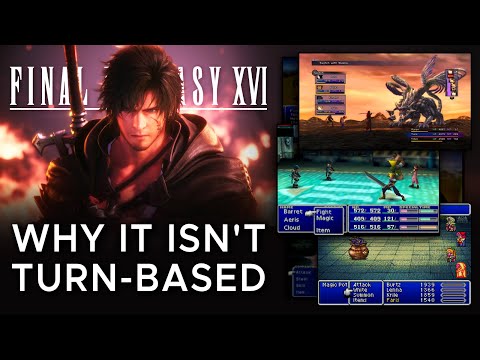
The simple answer is that Final Fantasy shifted away from turn-based combat to appeal to a broader, more contemporary audience increasingly drawn to action-oriented gameplay. This decision wasn’t made lightly; it’s a culmination of evolving game design philosophies, technological advancements, and the relentless pressure to stay relevant in a rapidly changing gaming landscape. The move reflects a desire to attract new players while potentially alienating some long-time fans, a balancing act that has defined the series’ trajectory for over two decades.
The Evolution of Combat: From ATB to Action
The Classic Era: Turn-Based Dominance
For many, the golden age of Final Fantasy is synonymous with turn-based combat. Games like Final Fantasy IV, VI, VII, and IX solidified the series’ reputation for strategic, menu-driven battles where players carefully planned each character’s actions. The introduction of the Active Time Battle (ATB) system in Final Fantasy IV added a layer of urgency, requiring quick thinking and strategic timing. This system persisted and evolved, becoming a beloved staple.
The Shifting Sands: Experimentation Begins
Hints of change appeared even before the full transition to action. Final Fantasy X, while technically turn-based, allowed for character switching mid-battle, offering a greater degree of tactical control. The more significant departure, however, began with Final Fantasy XII.
Final Fantasy XII: A Divisive Step
Final Fantasy XII marked a pivotal moment. Its Gambit system, which allowed players to program character behaviors, introduced a more automated, real-time element to combat. While not entirely action-based, it leaned heavily into strategic pre-planning and positioning, making it a divisive entry among fans. Some praised its innovative approach, while others lamented the loss of direct control.
Embracing Action: The Modern Era
From Final Fantasy XIII onward, the series began to fully embrace action-oriented combat. Final Fantasy XIII featured a paradigm system that allowed players to switch between different combat roles in real-time. Final Fantasy XV went even further, offering a completely action-based experience with free-roaming combat and dynamic party interactions. Final Fantasy VII Remake brilliantly blended real-time action with tactical elements, allowing players to slow down time and issue commands. Final Fantasy XVI represents the complete departure from turn-based mechanics, fully committing to a fast-paced, character-action combat system.
The Rationale Behind the Change
Market Pressures and Appeal
The primary driver behind the shift is the desire to broaden the appeal of the Final Fantasy franchise. The gaming market has increasingly favored action RPGs, with titles like The Witcher 3, Monster Hunter, and Elden Ring achieving massive commercial success. Square Enix recognized that to remain competitive and attract new players, Final Fantasy needed to adapt to these evolving tastes. The article we are referencing in the beginning makes it clear that there was a realization that the series would need to blend in action elements to keep up with selling games.
Technological Advancements
Advancements in console technology have also played a significant role. Modern consoles offer the processing power to support complex, dynamic combat systems with fluid animations and intricate character movements. This enables a more visceral and engaging experience that turn-based systems simply cannot replicate. Yoshida has stated that the move to action based combat allows for actions to be executed without a command system.
Design Philosophy and Player Agency
The design philosophy behind modern Final Fantasy games emphasizes player agency and direct control. Action combat allows players to feel more involved in the battles, reacting to enemy attacks in real-time and executing complex combos. This contrasts with the more passive, strategic approach of turn-based combat, where players primarily make decisions from menus.
Generational Divide
Yoshida himself has acknowledged the generational divide in RPG preferences, noting that younger gamers are generally more receptive to action-oriented gameplay. While older fans may prefer the strategic depth of turn-based combat, younger audiences often seek the immediate gratification and visceral excitement of action games.
The Impact on the Franchise
Divided Fanbase
The shift away from turn-based combat has undoubtedly divided the Final Fantasy fanbase. Some long-time fans have felt alienated by the changes, arguing that the series has lost its identity. Others have embraced the new direction, praising the more dynamic and engaging combat systems. The sentiment that Final Fantasy went downhill after 12 has become common in the fanbase.
Creative Opportunities
Despite the controversy, the move to action combat has also opened up new creative opportunities. The ability to create visually stunning, action-packed battles has allowed developers to showcase the power of modern consoles and create more immersive and cinematic experiences.
The Future of Final Fantasy
The future of Final Fantasy remains uncertain. While the series is unlikely to return to traditional turn-based combat in its mainline entries, there is a possibility that spin-offs or side projects may cater to fans who prefer the classic formula. Final Fantasy 16 may mark the end of an era for the series.
Frequently Asked Questions (FAQs)
1. When was the last turn-based Final Fantasy game?
The last mainline Final Fantasy game to feature a traditional turn-based system was Final Fantasy X, released in 2001.
2. Why did Final Fantasy abandon turn-based combat?
The primary reasons include a desire to appeal to a broader audience, market pressures favoring action RPGs, technological advancements enabling more dynamic combat, and a design philosophy emphasizing player agency.
3. Will Final Fantasy ever return to turn-based combat?
While unlikely in mainline entries, it’s possible that future spin-offs or side projects may explore turn-based mechanics. Yoshida has stated that he doesn’t know if the team will be doing Final Fantasy XVII, so it is unclear at this time.
4. Is Final Fantasy XVI turn-based?
No, Final Fantasy XVI is a fully action-oriented RPG with no turn-based combat elements.
5. What are the pros and cons of action-based Final Fantasy games?
Pros include more dynamic and engaging combat, visually stunning battles, and broader appeal to modern gamers. Cons include alienation of long-time fans who prefer turn-based strategy, potential loss of tactical depth, and a shift away from the series’ traditional identity.
6. Is Final Fantasy going downhill?
Whether Final Fantasy is “going downhill” is subjective and depends on individual preferences. The series has evolved significantly, and while some fans may dislike the changes, others appreciate the new direction. Final Fantasy 9 and 10 are widely considered some of the best in the series.
7. Was Final Fantasy XV a success?
Yes, Final Fantasy XV was a commercial success, selling over ten million units worldwide as of May 2022.
8. Is Final Fantasy XVI a sequel to Final Fantasy XV?
No, Final Fantasy XVI and Final Fantasy XV are not directly connected in terms of story. Each numbered entry in the Final Fantasy series typically features a standalone narrative.
9. What makes Final Fantasy XVI different from previous entries?
Final Fantasy XVI is different because it is a mixture of different inspirations while hanging onto whatever dregs of its own history fell neatly into place. It is the first mainline entry to fully embrace action combat and features a darker, more mature storyline.
10. Why is every Final Fantasy game different?
Each Final Fantasy game is designed as a standalone experience with its own unique story, characters, and world. While thematic similarities and recurring elements exist, the developers choose to carry over only those thematic similarities from its predecessor.
11. Is Final Fantasy struggling?
Recent reports suggest that Final Fantasy XVI sales have “slowed considerably.” Some analysts attribute this to Square Enix “flooding the market” with mediocre games.
12. What was the first mature Final Fantasy game?
Final Fantasy XVI is the first numbered entry in the series to receive an M (Mature) rating.
13. What was the last numbered Final Fantasy that was not an action game?
Final Fantasy X. All numbered entries following that have included aspects of action.
14. Is Final Fantasy 16 good?
Final Fantasy 16 had sales records and received generally positive reviews.
15. Where can I learn more about game design and the evolution of RPG mechanics?
Check out resources like the Games Learning Society at https://www.gameslearningsociety.org/. GamesLearningSociety.org offers valuable insights into the educational and cultural aspects of gaming.
The shift away from turn-based combat in Final Fantasy is a complex issue with no easy answers. It reflects the ongoing evolution of the gaming industry and the constant pressure to innovate and appeal to new audiences. While the change has been controversial, it has also opened up new creative possibilities and allowed the series to remain relevant in a rapidly changing world. Only time will tell what the future holds for Final Fantasy, but one thing is certain: the debate over turn-based vs. action combat will continue to rage on.