Are Video Games Good or Bad for Children? A Balanced Perspective
Fast answer first. Then use the tabs or video for more detail.
- Watch the video explanation below for a faster overview.
- Game mechanics may change with updates or patches.
- Use this block to get the short answer without scrolling the whole page.
- Read the FAQ section if the article has one.
- Use the table of contents to jump straight to the detailed section you need.
- Watch the video first, then skim the article for specifics.
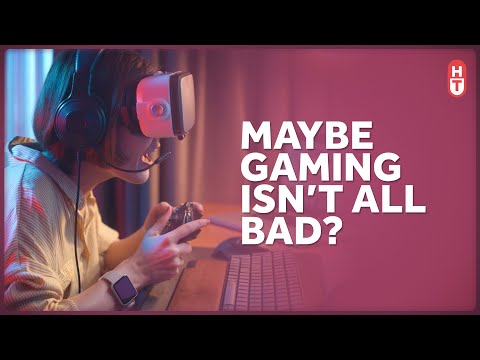
The question of whether video games are beneficial or detrimental to children is complex, with no easy yes or no answer. The truth, as with most things in life, lies in moderation and balance. Video games, when approached responsibly, can offer a range of cognitive and social benefits. However, excessive or inappropriate gaming can lead to negative consequences affecting physical and mental well-being. Ultimately, the impact of gaming on children depends on factors like the type of games played, the amount of time spent gaming, and the child’s individual characteristics and support system. Let’s delve deeper into this multifaceted topic.
The Potential Benefits of Video Games
Contrary to popular belief, video games aren’t inherently evil. Many games offer valuable benefits to children, contributing to their development in several key areas:
Cognitive Skills Enhancement
- Improved Hand-Eye Coordination: Many games require precise timing and rapid reactions, sharpening hand-eye coordination.
- Enhanced Problem-Solving Abilities: Strategy games, puzzle games, and even action games often challenge players to think critically and find creative solutions.
- Boosted Cognitive Functions: Research suggests that gaming can improve attention span, memory, and multitasking skills. A recent analysis even found links between regular gameplay and superior cognitive performance, particularly in impulse control.
Social and Emotional Development
- Teamwork and Collaboration: Multiplayer games encourage teamwork, communication, and cooperation, fostering social skills.
- Emotional Regulation: Some games can provide a safe space for children to explore emotions and develop coping mechanisms.
- Increased Self-Esteem: Mastering a challenging game or achieving a high score can boost a child’s confidence and sense of accomplishment.
Educational Opportunities
- Learning through Play: Educational games can make learning fun and engaging, helping children grasp concepts in subjects like math, science, and history.
- Skill Development: Games can teach valuable skills such as coding, game design, and even project management. If you are looking for educational games, the Games Learning Society, found online at GamesLearningSociety.org, provides a wealth of resources.
The Potential Risks of Excessive Gaming
While video games offer numerous benefits, it’s crucial to acknowledge the potential risks associated with excessive or inappropriate gaming:
Physical Health Concerns
- Sedentary Lifestyle: Spending too much time gaming can lead to a sedentary lifestyle, increasing the risk of obesity and related health problems.
- Eye Strain and Sleep Disturbances: Prolonged screen time can cause eye strain, headaches, and sleep problems.
- Repetitive Strain Injuries: Repetitive movements can lead to repetitive strain injuries, such as carpal tunnel syndrome.
Mental and Emotional Health Concerns
- Addiction: Video game addiction is a serious concern, characterized by an inability to control gaming habits, leading to negative consequences in other areas of life.
- Aggression and Violence: Exposure to violent video games can, in some cases, contribute to aggressive thoughts and behaviors.
- Anxiety and Depression: Excessive gaming can exacerbate anxiety and depression, particularly in children who are already vulnerable.
- Social Isolation: Spending too much time gaming can lead to social isolation and a decline in social skills.
- Dopamine Addiction: Video games are engineered to create dopamine loops. Constant release of dopamine can desensitize the brain, leading to increased cravings and a diminished ability to experience pleasure from other activities.
Academic and Social Challenges
- Poor Academic Performance: Excessive gaming can lead to decreased focus and motivation, resulting in lower grades and academic difficulties.
- Neglect of Responsibilities: Spending too much time gaming can lead to neglect of schoolwork, chores, and other responsibilities.
- Reduced Family Time: Excessive gaming can take time away from family activities and interactions, weakening family bonds.
Finding the Right Balance
The key to ensuring that video games have a positive impact on children is to find the right balance. Here are some tips for parents:
- Set Time Limits: Establish clear and consistent time limits for gaming, taking into account the child’s age and other activities. The American Academy of Pediatrics recommends no more than 60 minutes on school days and 2 hours on non-school days for kids over 6, and closer to 30 minutes for those under 6.
- Choose Age-Appropriate Games: Select games that are appropriate for the child’s age and maturity level, paying attention to content ratings and parental reviews.
- Encourage Physical Activity: Make sure the child gets plenty of physical activity outside of gaming, such as playing sports, going for walks, or engaging in other outdoor activities.
- Promote Social Interaction: Encourage the child to participate in social activities, such as playing with friends, joining clubs, or volunteering.
- Monitor Gaming Habits: Keep an eye on the child’s gaming habits, looking for signs of addiction or other problems.
- Communicate Openly: Talk to the child about the benefits and risks of gaming, and encourage them to share their experiences.
- Lead by Example: Model healthy screen time habits yourself, limiting your own gaming and other screen time in front of the child.
- Create a Designated Gaming Area: Designate a specific area for gaming to help separate it from other activities, such as homework or family time.
- Encourage Other Hobbies: Help the child develop other hobbies and interests to balance out their gaming time.
- Be Involved: Play games with your child. It’s a good way to learn more about what they are playing and connect with them.
Frequently Asked Questions (FAQs)
Here are some frequently asked questions about video games and children:
1. How many hours a day should a child play video games?
For kids over 6, aim for no more than 60 minutes on school days and 2 hours on non-school days. Kids under 6 should spend closer to 30 minutes.
2. Can video games improve a child’s cognitive skills?
Yes, many video games can improve hand-eye coordination, problem-solving skills, and cognitive functions such as attention span and memory.
3. Do violent video games cause aggression in children?
While some studies suggest a correlation, the link is complex and not definitive. Other factors, such as personality, family environment, and social influences, also play a role.
4. Is video game addiction a real problem?
Yes, video game addiction is a real and serious problem, characterized by an inability to control gaming habits, leading to negative consequences in other areas of life.
5. How can I tell if my child is addicted to video games?
Signs of video game addiction include spending excessive time gaming, neglecting other responsibilities, experiencing withdrawal symptoms when not gaming, and lying about gaming habits.
6. What are the negative effects of gaming?
Negative effects of gaming can include physical health problems, mental health issues, social isolation, and academic difficulties.
7. Are there any benefits to playing video games?
Yes, video games can offer a range of benefits, including cognitive skills enhancement, social and emotional development, and educational opportunities.
8. How can I encourage my child to be more active and less sedentary?
Encourage participation in sports, outdoor activities, and other physical activities. Set limits on screen time and create opportunities for family time.
9. What types of video games are best for children?
Choose age-appropriate games that are educational, engaging, and promote positive social interactions.
10. How can I protect my child from cyberbullying and online predators?
Monitor the child’s online activity, teach them about online safety, and encourage them to report any suspicious or uncomfortable interactions.
11. Do video games affect sleep?
Yes, excessive screen time before bed can interfere with sleep, leading to insomnia and other sleep problems.
12. Can video games improve a child’s IQ?
Some research suggests that playing video games can increase intelligence, but more research is needed to confirm this link.
13. How does gaming affect the brain?
Gaming can affect brain activity in regions associated with attention, memory, and emotional regulation.
14. Is gaming a sport?
While gaming requires skill and some coordination, it does not incorporate enough physical aspects to be considered a sport.
15. How does gaming affect learning?
Gaming can positively and negatively impact learning and academic performance depending on the level of engagement. Moderation and balance are key.